
If you haul regularly, you’ve likely dealt with the frustration of stepping out of your truck, hitting the turn signal, and staring at a dark trailer light. It usually happens right when you’re loading a boat at a crowded ramp at sunset, pulling a horse trailer onto the highway, or hauling equipment between job sites in heavy rain.
Trailer light problems are notoriously common, but they rarely mean the entire light assembly is dead. More often, the failure comes down to environmental wear, poor grounding, or small oversights in how the setup is sealed and secured.
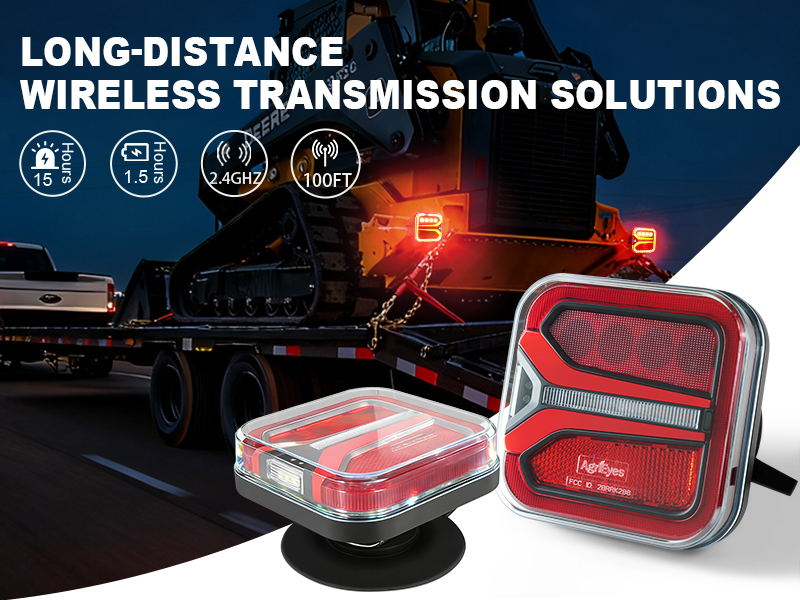
Here are the primary reasons trailer lights keep failing in the real world—and how to fix them so you aren't stuck troubleshooting on the side of the road.
Standard hardwired setups run copper harnesses along the underside of utility, box, and farm trailers. Over time, road salt, agricultural mud, and constant tire spray break down the wire insulation. Moisture creeps in, turning the copper inside into a brittle, green powder. The wire can look completely normal from the outside, yet fail to carry any electrical current.
When trailer wiring corrosion is suspected, start by testing the circuit to find the failure point. Repair damaged sections with waterproof connectors, or replace aging wiring if corrosion has spread throughout the harness.
A weak ground is one of the most frequent causes of flickering or dim lights. Traditional wired tail lights often rely on a ground screw fastened directly to the steel frame. As the trailer frame rusts, collects road grime, or loses its paint coating, the circuit loses its solid metal-to-metal connection. The lights might work fine while parked, only to cut out the moment highway vibrations shift the ground screw.
Scraping bare metal at the grounding point and applying dielectric grease helps maintain a stable circuit.
Boat trailer owners face unique environmental strain during launch. During a highway drive to the lake, the light housing and internal components heat up. Rapid temperature changes can put additional stress on seals. If a light housing already has damaged seals or small cracks, water can enter more easily and cause corrosion over time.
Allowing your lights a few minutes to cool down before backing into the water helps reduce thermal strain on the housings.
Taking a high-pressure washer to wash down mud from a farm trailer or salt off an RV towed vehicle is routine maintenance. However, blasting water directly at light seams or exposed wire entry points at close range overpowers standard automotive seals. Road mist and water end up forced directly onto the circuit board, leading to short circuits a few miles down the road.
Always spray around light housings at an angle and avoid point-blank pressure on cable entry points.
For haulers using rechargeable wireless trailer lights, water ingress often happens through a single overlooked component: the charging port cover. After unplugging the charger before a trip, it's easy to push the rubber cap back in half-heartedly. At 65 MPH in heavy rain, aerodynamic force pushes water straight into an unsealed USB port, shorting out the internal battery board.
Forming a strict habit of pressing the rubber plug completely flush into the housing before every haul prevents rain from bypassing the light's outer waterproofing.
When using temporary magnetic lights on flatbeds or equipment trailers, highway vibration and severe washboard dirt roads can break the magnetic hold—especially if the mounting surface has a layer of dust, rust, or grease. Once a light shifts, wind resistance caught underneath the housing can knock it off entirely.
Wiping the mounting surface clean before attaching magnets is essential. For highway driving, adding a mechanical backup—like looping a steel safety tether around a structural frame member—provides an additional layer of protection if the magnetic connection is disturbed.
Leaving your truck’s towing plug exposed to rain and humidity between trips causes the copper pins inside to oxidize. When you hook up your trailer, those dirty pins fail to pass power or signal commands to your tail lights, resulting in dead turn signals or intermittent brake lights.
Using protective dust caps and cleaning plug terminals with electrical contact cleaner keeps signal transfer clean and reliable.
Quick Trailer Light Troubleshooting Checklist
| Symptom | Possible Cause | Recommended Action |
|---|---|---|
| One side not working | Broken wire or corroded connector | Inspect harness and test with a circuit reader |
| Flickering or dim lights | Weak ground connection | Clean rust off frame grounding point and apply grease |
| Moisture inside lens | Damaged seal or loose cap | Inspect housing for cracks; ensure port cap is seated flush |
| Wireless light shifting | Dirt or grease under magnet | Wipe mounting surface clean before attaching |
| No wireless response | Signal or transmitter issue | Check transmitter plug connection and verify pairing |
Building a Reliable Setup
Fixing trailer light issues comes down to minimizing vulnerable failure points. Traditional copper wire harnesses work well when properly sleeved and sealed, but they require continuous maintenance to fight off rust and ground issues.
For users who frequently switch trailers or regularly deal with wiring maintenance, wireless magnetic trailer lights offer an alternative approach by reducing the amount of exposed wiring. Modern wireless trailer light system options use a trailer light transmitter plugged into your tow vehicle. The receiver captures the vehicle’s lighting signals and wirelessly communicates them to the trailer lights mounted at the rear.
When evaluating a wireless setup for long-haul durability, consider looking for features such as:
- In-Cab Signal Monitoring: A dashboard display or active transmitter that confirms signal execution and battery status in real time, so you aren't guessing whether your tail lights are working behind a tall box trailer or RV.
- Secondary Steel Tethers: Integrated safety cables that wrap around the frame to back up the magnetic bases on rough roads.
- Flush-Fit Rubber Seals: Heavy-duty charging port plugs that seat tight against highway rain and pressure washdown.
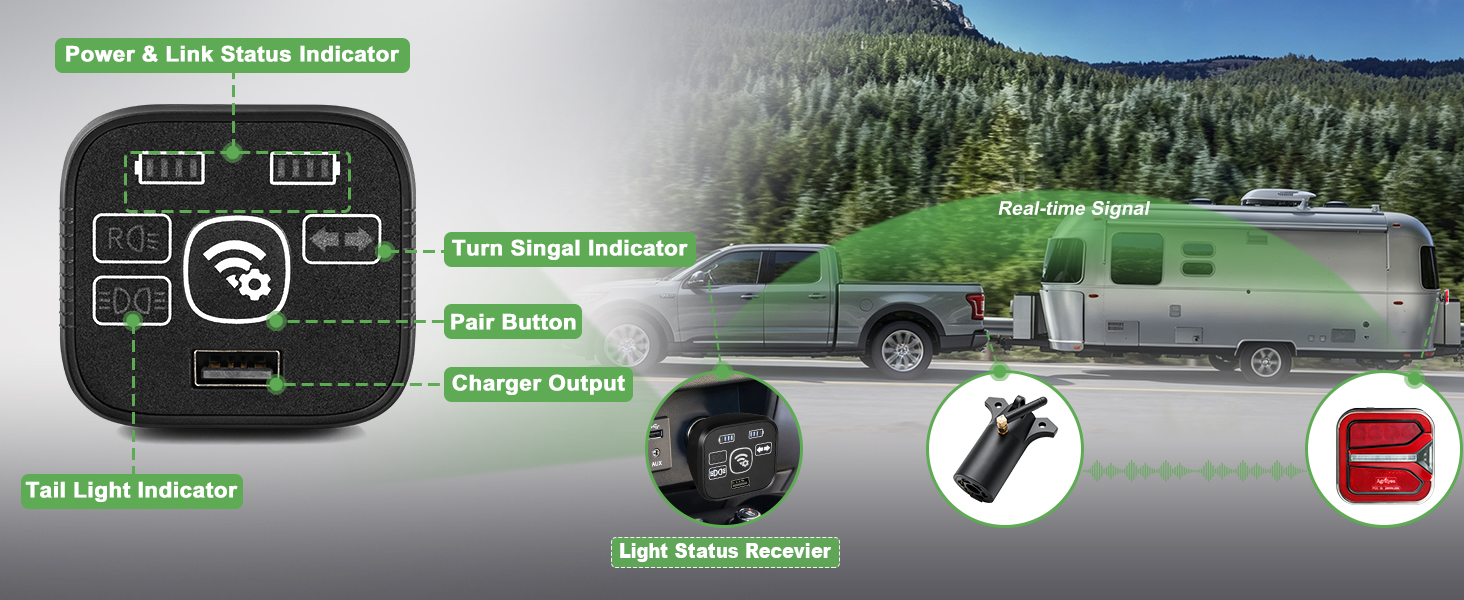
If you are looking for a simpler way to reduce trailer wiring problems, explore AgriEyes wireless trailer lighting solutions designed for RVs, boats, farms, and utility trailers.