Factory headlights and taillights serve their purpose on the road, but they aren't always enough to make a work vehicle stand out in a busy job site or along a roadside. That's why some trucks and utility vehicles use additional warning lights.
Mounting warning beacons on the cab roof places them above the main body of the truck, giving nearby drivers and equipment operators a clearer visual cue when a vehicle is stopped, moving slowly, or working near active traffic.
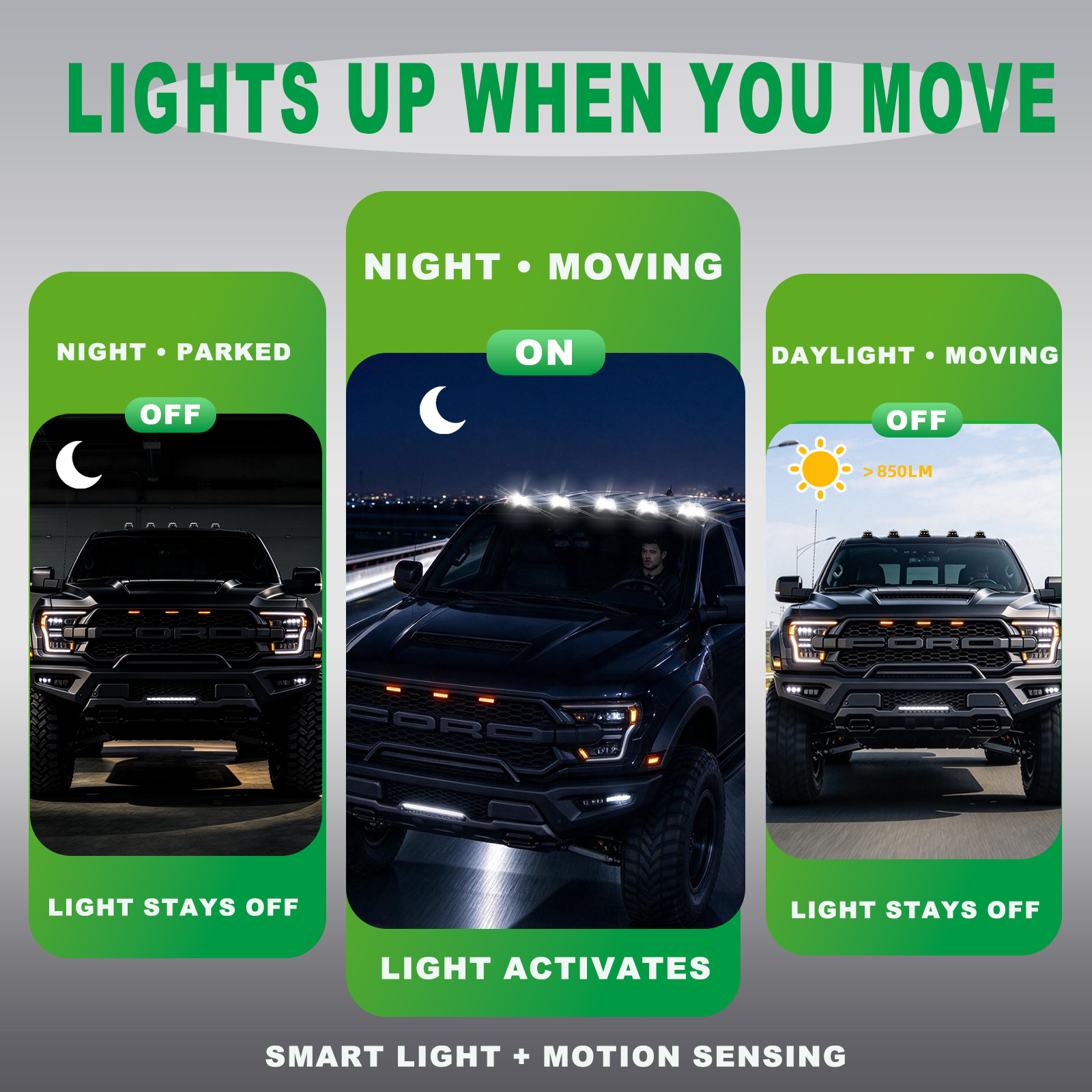
Lower-mounted strobe lights on a grille or rear bumper have a practical limitation: they are easily blocked. In heavy traffic, behind uneven terrain, or around parked machinery, low lights can disappear behind the vehicles in front of you.
You don't have to drive an emergency vehicle or a municipal snowplow to have a practical reason for using roof warning lights. They are commonly used across several everyday work environments:
Traditionally, adding roof warning lights meant drilling holes into the cab roof, routing wires down the A-pillar, and wiring switches into the fuse box. For drivers using newer pickups, leased trucks, or multi-purpose work vehicles, permanent roof modifications aren't always practical.
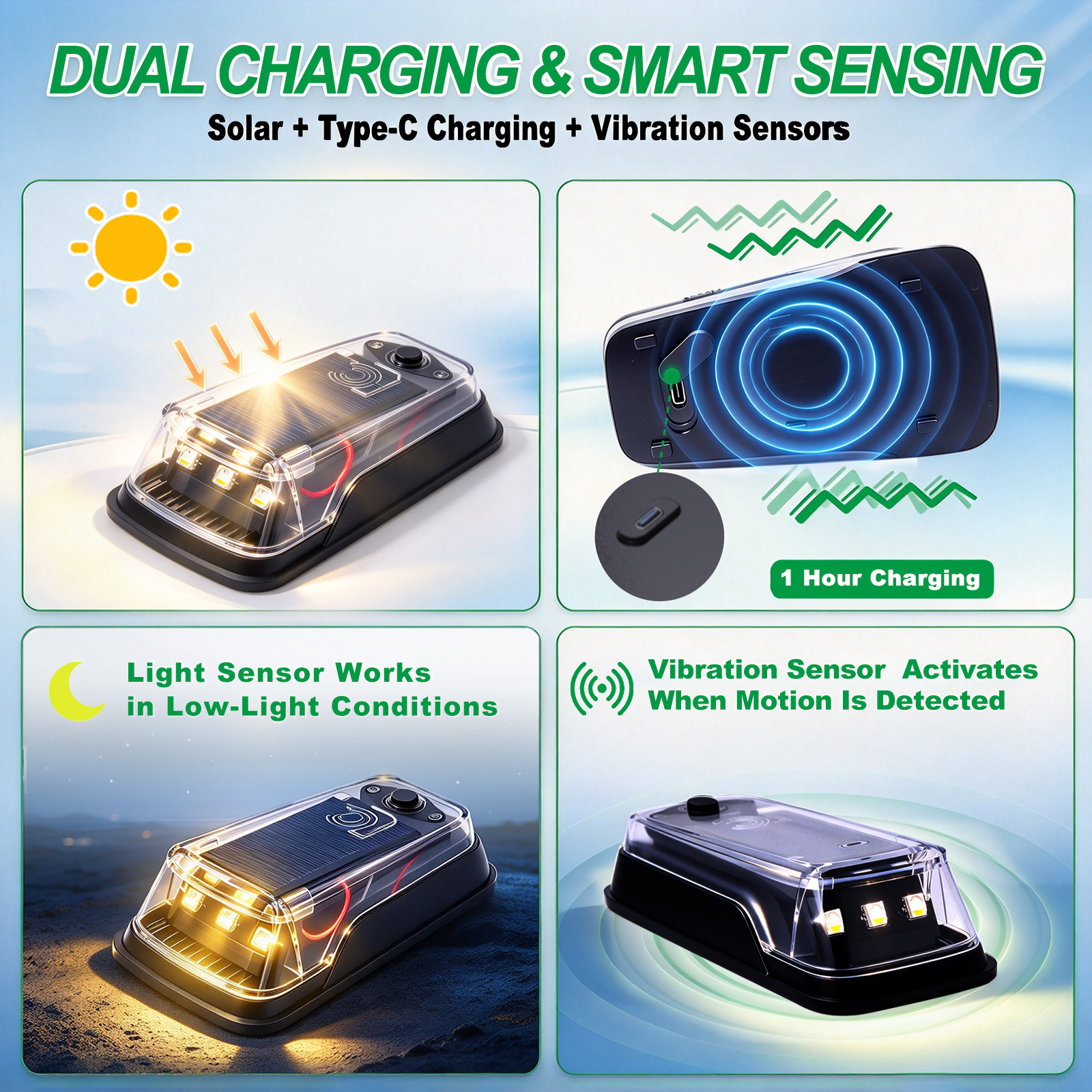
Solar-powered and rechargeable warning lights offer another option for drivers who prefer not to install a permanently wired system. For example, kits like the AgriEyes W249R are designed around simple installation and flexible control:
Q: Are roof warning lights legal on personal or work trucks?
It depends on the vehicle, light color, flash pattern, and how the lights are used. Some states allow certain warning lights for specific work vehicles, while others restrict their use. Check your local vehicle codes before installing or operating a warning light kit on public roads.
Q: Will adhesive-mounted roof lights stay secure at highway speeds?
When applied to a clean, dry, wax-free surface, automotive-grade 3M adhesive mounting pads are designed to hold firmly under normal highway wind and vibration. Proper surface preparation with alcohol wipes and following the recommended curing time before driving are essential for a solid bond.
Q: How do solar truck roof lights perform in cloudy weather or winter?
Solar warning beacons store power in an internal rechargeable battery so they can operate after dark or during overcast stretches. Having a backup Type-C charging port—like the one included on the AgriEyes W249R—also allows you to recharge the lights manually whenever sunlight is limited.
Before choosing a roof warning light kit, think about how you use your truck, where you park or work, and what kind of lighting setup makes sense for your vehicle. A good setup should be practical, easy to operate, and suitable for your working environment.
If you're looking for a wireless, drill-free roof beacon kit with solar charging and remote control, you can check out the AgriEyes W249R Wireless Solar Cab Roof Marker Lights Kit.